
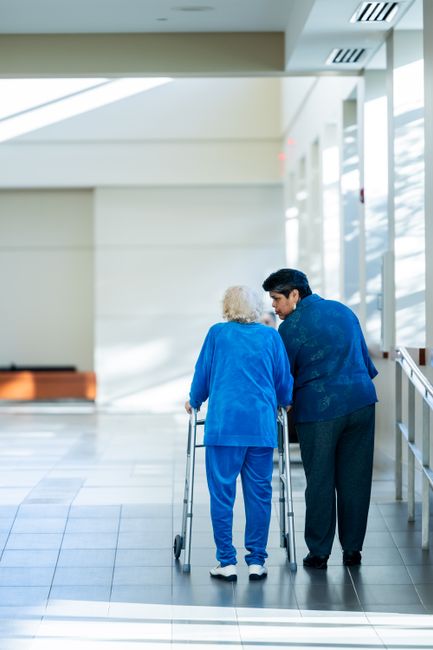
Assisted living safety depends on more than preventing falls or responding to emergencies. A well-run residence also needs clear infection-prevention practices, safe medication procedures, reliable communication, and plans for seasonal hazards. For residents and families in Bellefonte, PA, understanding these protocols can make it easier to recognize good daily practices and ask useful questions before or after a move.
What safety protocols should an assisted living residence have?
A residence should use written procedures for preventing injuries, responding to illness, protecting medications, and handling emergencies. Staff should know those procedures, practice them, and document important incidents.
Common safety measures include:
- Fall-risk assessments and individualized mobility plans
- Adequate lighting in hallways, bathrooms, and entrances
- Grab bars, handrails, nonslip flooring, and clear walking paths
- Emergency call systems that residents can reach from bed and the bathroom
- Staff response procedures for falls, wandering, choking, burns, and sudden illness
- Medication storage, administration, and documentation controls
- Fire evacuation plans and regular emergency drills
- Secure handling of cleaning chemicals, oxygen equipment, and other hazardous materials
- Procedures for reporting injuries, infections, medication errors, and safety concerns
Safety planning should reflect the individual resident. Someone who uses a walker, has vision loss, becomes dizzy after medication, or has memory impairment may need different precautions than another resident.
How do assisted living communities prevent infections?
Infection prevention combines everyday hygiene with early recognition of illness. The central practices are hand hygiene, cleaning and disinfection, respiratory precautions, safe food handling, appropriate use of protective equipment, and prompt communication when symptoms appear.
Staff should clean their hands before and after providing direct care and after contact with bodily fluids, contaminated objects, or shared equipment. Residents and visitors should also have easy access to soap, water, hand-drying supplies, or alcohol-based hand sanitizer.
Hand sanitizer is useful when hands are not visibly dirty. Soap and water are preferable when hands are visibly soiled, after certain bathroom-related care, and during some gastrointestinal illnesses.
A residence should also clean frequently touched surfaces such as door handles, elevator buttons, railings, tables, bathroom fixtures, mobility equipment, and shared activity materials. Cleaning removes dirt; disinfection uses an appropriate product and contact time to reduce germs. Reusable medical or personal-care equipment should be cleaned between residents according to its intended use.
What happens when a resident develops symptoms?
Residents with new fever, cough, sore throat, vomiting, diarrhea, unusual fatigue, shortness of breath, or a sudden change in mental status should be evaluated promptly. Older adults may not always show a typical fever, so changes in behavior, appetite, balance, or alertness can also be meaningful.
A residence may use several steps when illness is suspected:
- Separating the symptomatic resident from crowded shared activities when appropriate
- Increasing hand hygiene and cleaning in affected areas
- Using masks or other personal protective equipment based on the illness and care being provided
- Notifying the resident’s responsible party and healthcare professionals according to policy
- Monitoring for additional cases among residents and staff
- Restricting work for staff who are ill when their condition could expose residents
- Adjusting visitation or group activities during an outbreak
Temporary precautions do not necessarily mean a resident must be isolated completely. Social connection is important, especially for older adults. The goal is to reduce exposure while preserving safe communication, activity, and emotional support whenever possible.
How should visitors help reduce infection risk?
Visitors should postpone non-urgent visits when experiencing fever, vomiting, diarrhea, a persistent cough, or other symptoms of a contagious illness. A recent exposure to a respiratory virus may also justify extra precautions, such as wearing a mask during the visit.
During periods of increased respiratory illness, visitors may be asked to use hand sanitizer when entering and leaving, wear a mask, avoid crowded common areas, or meet in a designated space. These measures can change as local illness levels and facility conditions change.
Visitors should avoid placing coats, purses, food, or personal items on residents’ beds or care surfaces. Children should be supervised around shared equipment and should not visit while ill. Hand hygiene is especially important before eating, after using the restroom, and after coughing or sneezing.
What role do vaccinations and seasonal planning play?
Recommended vaccinations help reduce the risk of severe illness from influenza, COVID-19, respiratory syncytial virus, and other preventable infections. Residents and families should discuss vaccination needs with the resident’s healthcare provider, particularly when chronic heart, lung, kidney, or immune-related conditions are present.
Seasonal planning matters in Bellefonte because winter weather can affect transportation, staffing, deliveries, heating, and access to medical appointments. A residence should have plans for maintaining heat, protecting water and food supplies, managing power interruptions, and communicating with families during severe weather.
Respiratory illness precautions may also increase during colder months, when people spend more time indoors. Ventilation, air circulation, symptom monitoring, cleaning, masking when indicated, and quick access to testing or treatment can all support safer shared living.
How are medications and personal care handled safely?
Medication safety is part of infection prevention and general resident protection. Medicines should be stored securely, labeled clearly, administered only as authorized, and documented accurately. Staff should watch for side effects such as dizziness, sedation, confusion, diarrhea, or allergic reactions because these can increase fall or dehydration risks.
Personal-care tasks require careful attention to gloves, hand hygiene, wound supplies, blood glucose equipment, and disposal of sharps. Items that contact blood or bodily fluids should never be shared between residents unless they are specifically designed for safe reuse and properly cleaned. Blood glucose meters, lancing devices, insulin pens, and similar supplies require resident-specific handling.
Laundry and linens should be handled in a way that prevents contamination of clean materials. Soiled linens should be separated from clean linens, moved carefully, and washed using procedures suitable for the type of contamination.
What questions can residents and families ask?
Families do not need to know every regulation to ask meaningful questions. Useful topics include:
- How are new infections reported to residents and families?
- What happens when a resident has respiratory or gastrointestinal symptoms?
- How often are staff trained in hand hygiene, protective equipment, and emergency response?
- How are falls investigated and prevented from happening again?
- How are shared devices and high-touch surfaces cleaned?
- What are the visitation expectations during an outbreak?
- How are vaccines, testing, and treatment discussed with residents?
- How does the residence communicate during a power outage, winter storm, or other emergency?
- How are concerns, incidents, and medication errors documented and reviewed?
A safe assisted living environment is not one where illness or accidents never occur. It is one where risks are anticipated, warning signs are taken seriously, residents are treated respectfully, and the response is timely, consistent, and clearly communicated.
